


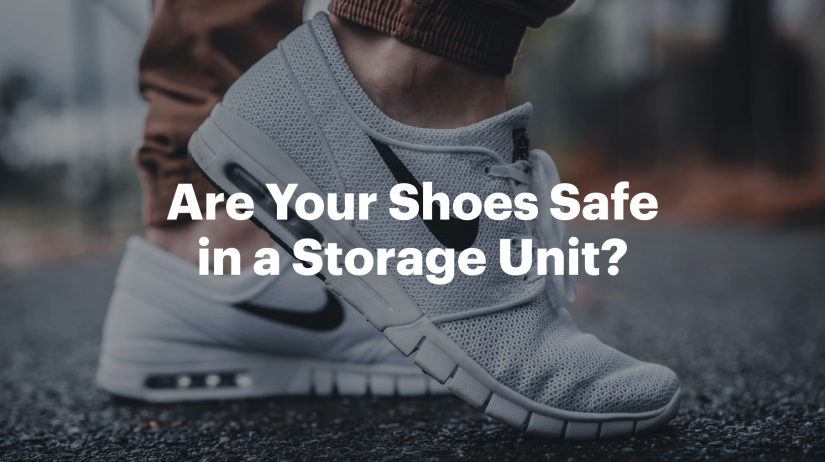


Are Your Shoes Safe in a Storage Unit?
Alright, shoe question. The team at Apalachee Storage gets asked this more than you'd think, and honestly? It's a legitimate concern. We're at 2001 Apalachee Pkwy in Tallahassee, which means we're dealing with Florida humidity, heat, and all the climate quirks that come with it. In this blog, we'll discuss storing shoes and whether your collection will survive in a storage unit.
Why Florida Climate Matters for Shoe Storage
Here's the reality of storing anything in Tallahassee. Our humidity is brutal. We're talking 70-90% humidity for much of the year, plus heat that turns non-climate-controlled units into actual ovens during summer. Leather dries out, cracks, and can develop mold if conditions are right. We've seen expensive leather boots come out of standard units looking rough after a Florida summer. Suede and nubuck are humidity magnets. These materials basically invite moisture problems if you're not careful. Athletic shoes with foam can break down faster in heat. That cushioning you paid extra for? Heat accelerates deterioration. Glues and adhesives soften in heat, which can cause soles to separate or shoes to lose shape. Mold and mildew love dark, humid, enclosed spaces. A box of shoes in a hot storage unit? That's prime real estate for mold. This may sound concerning but we ate just being honest about Florida storage challenges.
Climate-Controlled vs. Standard Storage Units for Shoes
If you're storing shoes in Tallahassee, climate control isn't just a nice-to-have. It's pretty much essential if you care about your shoes surviving intact.
Climate-controlled units maintain 55-85°F and lower humidity. That's the sweet spot for shoe storage. Your shoes experience basically indoor conditions year-round, which prevents most of the problems we mentioned.
Standard units fluctuate with outside temperatures and humidity. During Tallahassee's summer, you're looking at 95°F+ temperatures and moisture that makes everything damp. Not ideal for shoes you actually want to wear again.
Real talk from our experience: We've had customers store shoes both ways. The climate-controlled folks basically never have issues. The standard unit folks sometimes discover problems, especially if they're storing nice shoes or keeping them long-term.
If you're storing a cheap pair of flip-flops for a semester? Standard unit is probably fine. If you're storing your entire shoe collection, including nice leather boots, heels, or expensive sneakers? Spring for climate control. Your shoes are worth more than the price difference.
How to Actually Pack Shoes for Storage
Even with climate control, you can't just throw shoes in a box and hope for the best. Here's what actually works based on years of watching people store shoes successfully (and unsuccessfully) in Florida:
Clean them first. Dirt and oils left on shoes can cause damage over time and attract pests. We've seen it happen.
Stuff them to maintain shape. Newspaper, shoe trees, or even clean rags work. Don't let shoes collapse on themselves for months Use breathable storage. Plastic bins are great for most storage, but shoes need airflow. Canvas shoe bags, cardboard shoe boxes, or breathable fabric bins prevent moisture buildup. Silica gel packets are your friend. Throw a few in each box or bin. They absorb excess moisture and help prevent mold. Don't stack too heavily. Shoes at the bottom of a tower of boxes can get crushed and lose shape. Original shoe boxes work great. If you're in climate control. They're breathable, protective, and stackable. But in standard units, cardboard can attract moisture and pests.
How Long Can Shoes Stay in Storage?
This depends entirely on your setup. In climate-controlled storage with proper packing? Shoes can stay for years without major issues. We've got customers who've stored shoe collections for 2-3 years and everything came out fine.
In standard Florida storage without climate control? We'd recommend no more than a few months, and even that's pushing it for nice shoes. The longer they sit in heat and humidity, the more likely you'll have problems.
Red flags to check when retrieving stored shoes:
- Musty smell
- Visible mold or mildew
- Leather that's dried out and cracked
- Separated soles or degraded glue
- Discoloration or staining
- Shape distortion
Catch these issues when you retrieve your shoes, and at least you know what you're dealing with. Don't wait until you need to wear them to discover they're ruined.
Our Recommendation
If you're asking whether shoes are safe in storage. They can be, if you do it right.
For Tallahassee specifically, that means:
- Climate-controlled unit for anything you care about
- Proper cleaning and prep before storage
- Breathable storage containers with moisture absorbers
- Not storing shoes forever
Standard units work for short-term storage of casual shoes you won't miss if something goes wrong. But for collections, nice shoes, or anything you'll regret losing? Don't risk it. The upgrade to climate control is worth it.
Why This Matters at Apalachee Storage
We're right on Apalachee Parkway, which means we're convenient for Florida State students, Tallahassee residents, and folks all over Leon County who need storage solutions. We've got both standard and climate-controlled options because we know different situations need different solutions.
Your shoes deserve to come out of storage looking the same as they went in. With the right approach, that's totally achievable.
